



 The One Thing that Shocks Dentists
 Diet Recovery: e-Book Review
 Assembly Line Orthodontics Can Damage Faces
 Pediatric Dentistry – Possible Inadequacies
 Magical Toothpaste Too Good To Be True
 Fluoride: A Toxic Waste, Part 2
 Sugar Alcohols and Tooth Decay
 Mounting Environmental Mercury Concerns – But What About Our Mouths?
 Bacteria Does Not Cause Disease – Raw Milk And Tooth Decay
 Type 2 Diabetes Epidemic in Children; Dentistry and Tooth Decay
Vegetarians More Likely to Have Dental Erosion
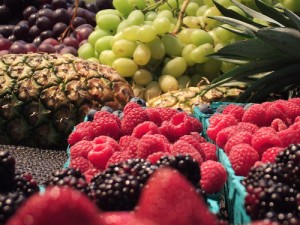
Many vegetarians consume high amounts of fruit, which are a natural source of sugar.
Many people who consume a believe that they are healthier, because they are consuming natural foods, such as fruits and vegetables. While many claim that a vegetarian diet is healthier and better for you than other diets, there is evidence that a strictly vegan diet is not as healthy as it may seem, especially when it relates to dental health.
A report published in The American Journal of Clinical Nutrition stated that those who consumed a vegetarian diet were, “much more likely than age- and sex-matched controls to have dental erosions on some tooth surfaces, lower salivary pH levels, and lower stimulated saliva flow.” (Dwyer 712-738)
Conclusions from the study found that;
“The rate of flow of saliva and consumption of vinegar-containing foods, citrus fruits, and acid berries was associated with the dental erosions noted. Diets that are excessively high in fruit juices were also found to erode dental enamel.” (Dwyer 712-738)
Basically, the report found that the diet that many vegetarians consume (one that is high in fruit), was linked with cavities and tooth decay. The study concluded that a vegetarian diet does not have any dental health advantages over a diet that is non-vegetarian.
One problem with the strictly began diet is that it lacks essential fat-soluble vitamins and minerals that are necessary for building healthy bones and teeth. The that you need to build healthy bones and teeth are found in animal products, such as grass-fed meats, wild seafood and raw dairy products.
Another problem with a vegetarian diet is the high consumption of foods like fruits, which contain high amounts of sugar. Even sugar that is natural, such as the sugar in fruits, has the potential to wreak havoc on your dental health. Many people also mistakenly believe that fruit is a natural and healthy choice and consume it regularly, when it is actually something that should be eaten occasionally for a treat or snack. When a person consumes high levels of sugary foods, it causes a disruption in the blood sugar levels in the body. If you have cavities or tooth decay, then that is a sign that your blood sugar levels are altered and that you are lacking certain nutrients in your diet.
Fruit can be a healthy part of your diet, but it is important to eat it paired with other foods. The study published in The American Journal of Clinical Nutrition also found that, “If acid fruits and vegetables are eaten in conjunction with or after other foods rather than frequently between meals and their consumption is coupled with good oral hygiene, they pose little danger to dental health.” (Dwyer 712-738)
This is because tooth decay is controlled by the body through the dentinal-fluid transport mechanism. When the body senses too much sugar at once, it can trigger the demineralization of teeth. In the case that fruit is eaten with some fat or protein, digestion will be slowed, blood sugar will remain more stable, and consequently, the mineral transport mechanism will not cause tooth decay.
The report mentions that good oral hygiene is important, and brushing the teeth is necessary to keep your mouth feeling clean. may help prevent some dental problems from escalating, but it will not stop the cause of tooth decay and cavities. The most important factor is to make sure your diet is rich in the right types of minerals and vitamins to build healthy bones and teeth. If you , make sure you pair it with a fat, such as cream and peaches or apples and cheese.
Reference:
Dwyer, Johanna. "Health aspects of vegetarian diets." American Journal of Clinical Nutrition. 48. (1988): 712-738. Web. 27 Dec. 2011. < http://www.ajcn.org/content/48/3/712.full.pdf >.
Photo Credit: