




 The One Thing that Shocks Dentists
 Diet Recovery: e-Book Review
 Assembly Line Orthodontics Can Damage Faces
 Pediatric Dentistry – Possible Inadequacies
 Magical Toothpaste Too Good To Be True
 Fluoride: A Toxic Waste, Part 2
 Sugar Alcohols and Tooth Decay
 Mounting Environmental Mercury Concerns – But What About Our Mouths?
 Bacteria Does Not Cause Disease – Raw Milk And Tooth Decay
 Type 2 Diabetes Epidemic in Children; Dentistry and Tooth Decay
Increased Sugar Intake Correlates With Increased Caries Risk
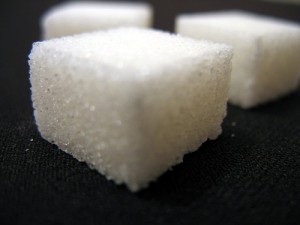
A study finds that high sugar intake leads to an increase in dental caries.
A study published in Public Health Nutrition investigated the relationship between a person's diet and the prevalence of dental caries. The researchers noted that nutrition is important during the development of the teeth, and the types of foods that are consumed can attribute to higher rates of tooth decay and caries. The researchers found that when sugar consumption is high, there is a greater prevalence of dental caries.
"Despite improved trends in levels of dental caries in developed countries, dental caries remains prevalent and is increasing in some developing countries undergoing nutrition transition. There is convincing evidence, collectively from human intervention studies, epidemiological studies, animal studies and experimental studies, for an association between the amount and frequency of free sugars intake and dental caries." (Moynihan, and Petersen 201-226)
The paper took into account several different studies that have been conducted on countries where there has been an increase in the consumption of sugars. The researchers noted that higher sugar intake correlated with higher prevalence of dental problems. Based on their findings, the researchers concluded that, "It is important that countries with a low intake of free sugars do not increase intake, as the available evidence shows that when free sugars consumption is, 15–20 kg/yr (,6–10% energy intake), dental caries is low." (Moynihan, and Petersen 201-226)
For the purpose of the paper, the researchers used the term 'free sugars.' This "...refers to all mono and disaccharides added to foods by manufacturer, cook or consumer, plus sugars naturally present in honey, fruit juices and syrups..." (Moynihan, and Petersen 201-226) added by the manufacturer usually include highly processed foods that have a low nutritional value. Naturally occurring sugars, such as those in honey, can also cause problems with tooth decay and caries.
Fruit is also another source of sugar, even if it is natural. The researches concluded that when fruit makes up the majority of the diet, it increases the prevalence of caries. Yet, if fruit is consumed in moderation and as part of a mixed diet, it does not pose that great of a risk to the development of dental caries. Fruit juices can also be a problem, especially if they are purchased commercially.
These findings relate to what discovered as he traveled the world. He found that when tribes were introduced to a more modern diet that included sugars, their dental health would decline. The problem with consuming foods that have a high sugar content is that the blood sugar levels in the body become altered. When there is a disruption in the internal body chemistry and in blood sugar levels, minerals, such as calcium, can be pulled from the teeth and bones. This results in weak bones, as well as tooth decay and caries.
To have optimum dental health, you should consume a nutrient-rich diet of whole foods, which is described in the book . You should avoid eating any type of processed food or foods containing processed sugar. When it comes to fruit, . How much fruit you should consume will depend upon what the state of your dental health is. If you have poor dental health, you should avoid or minimize consuming fruit. If you do not have problems with cavities, you can occasionally consume fruit, but it is best to pair it with fat, such as cream.
References:
Moynihan, Paula, and Paol Erik Petersen. "Diet, nutrition and the prevention of dental diseases." Public Health Nutrition. 7.1A 201-226. Web. 27 Jan. 2012. < http://www.who.int/nutrition/publications/public_health_nut7.pdf >.
Photo credit: